

Why Hdpe Fencing Is The Smartest Choice For Commercial Properties

Commercial fencing does more than define a boundary — it protects assets, controls access and signals professionalism to everyone who approaches your property.
For warehouses, office parks, industrial facilities and parks and recreation settings, the right fence has to perform in real-world conditions.
However, traditional wood and metal fencing can’t keep up — rot, rust, warping and weather damage drive up maintenance costs and shorten product lifespans.
HDPE fencing was built for exactly these challenges, delivering the durability and low maintenance that commercial properties demand, year after year.
The Growing Demand for Durable Commercial Fencing
Durability has become the decisive factor in commercial fencing. Materials are under pressure to withstand heavy use, harsh weather and long maintenance cycles without compromising performance or appearance.
From schools and parks to healthcare and industrial sites, fences take a beating — and they’re expected to look good while doing it. This demand is driving professionals to move away from wood and metal and toward materials designed to last with minimal upkeep.
That’s where reinforced high-density polyethylene (HDPE) fencing stands out. Unlike wood, HDPE won’t rot, splinter or absorb moisture. It holds up to temperature swings, UV exposure and heavy use that would quickly degrade traditional materials.
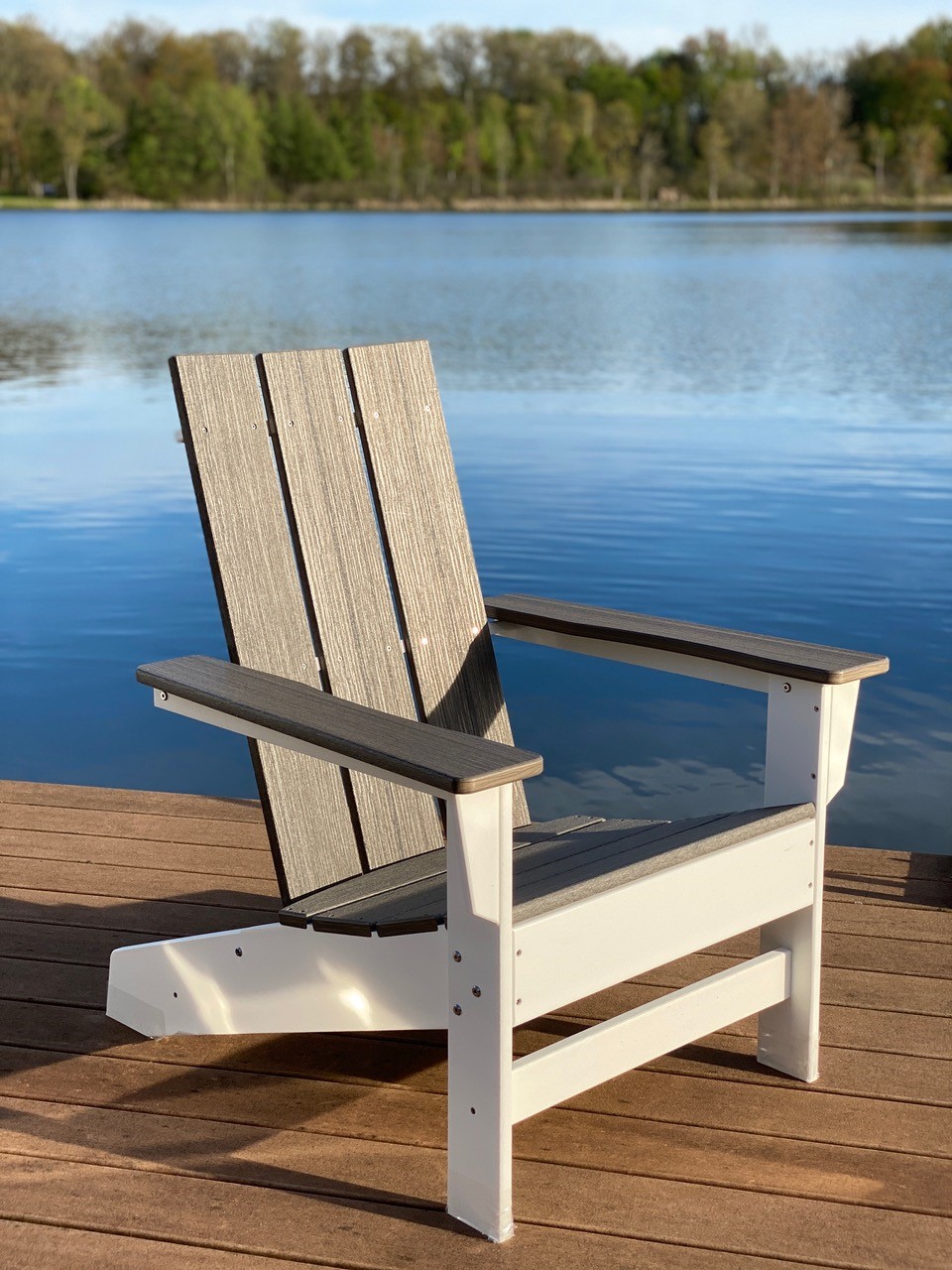
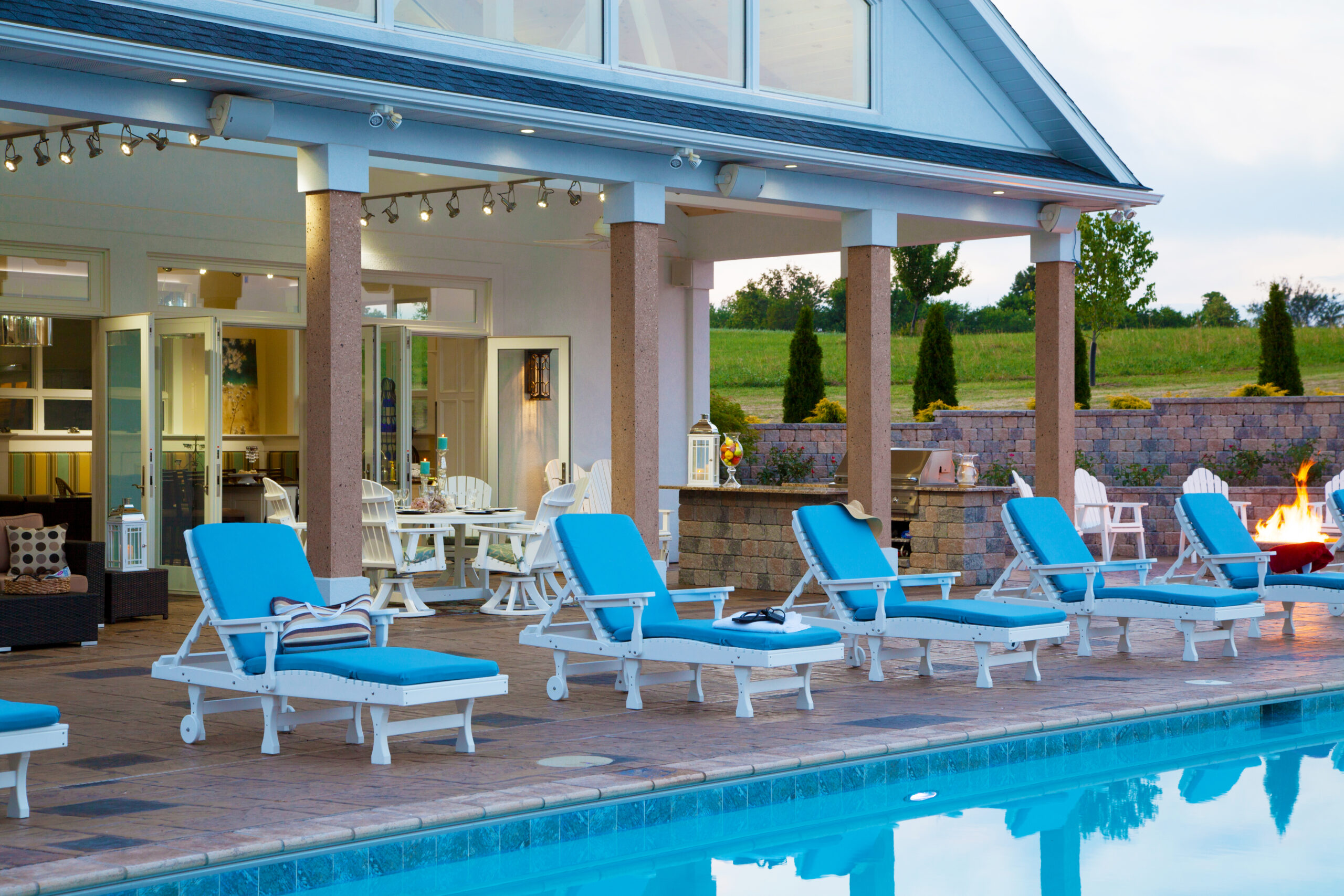
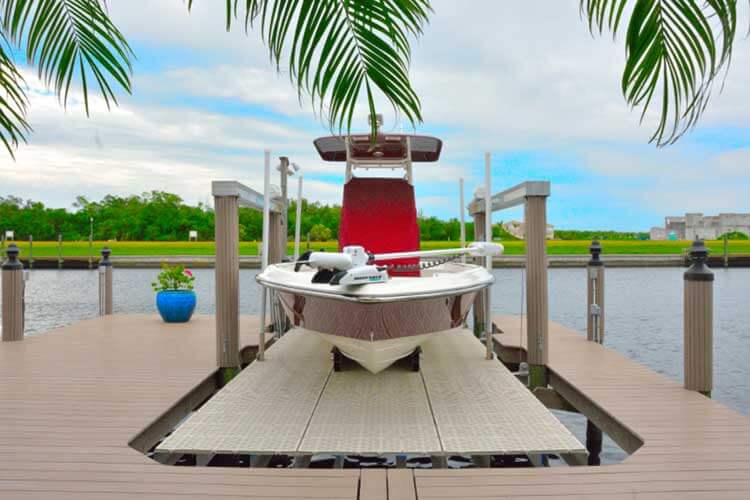
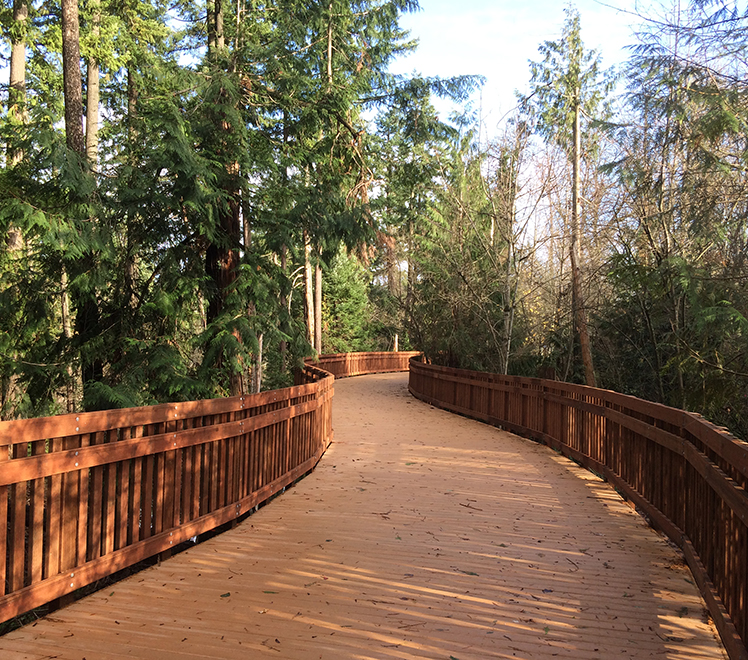
When paired with HDPE decking in applications like boardwalks, outdoor common areas and waterfront structures, the result is a cohesive, low-maintenance system that keeps commercial properties looking sharp and performing well for decades.
Challenges With Traditional Commercial Fencing Materials
Traditional materials like wood and metal are losing ground to reinforced HDPE — and for good reason.
Architects and developers need fencing that can handle real-world conditions without constant upkeep.
Corrosion, Rot and Weather Damage
Wood is vulnerable to moisture, temperature swings and UV radiation, which accelerate rot, warping and structural weakening. Fasteners and connectors corrode as moisture penetrates the wood, compromising the entire fence system.
Meanwhile, metal fencing is prone to rust and corrosion when exposed to moisture and harsh weather, which can weaken the structure and degrade its appearance over time.
Ongoing Maintenance and Repair Costs
Both wood and metal require frequent upkeep. Wood needs sealing, staining or repainting, while metal may require rust treatment, repainting or replacement of corroded parts.
Regular inspections are necessary for both materials to prevent minor issues from threatening the fence’s integrity.
HDPE Fencing as a Long-Term Commercial Solution
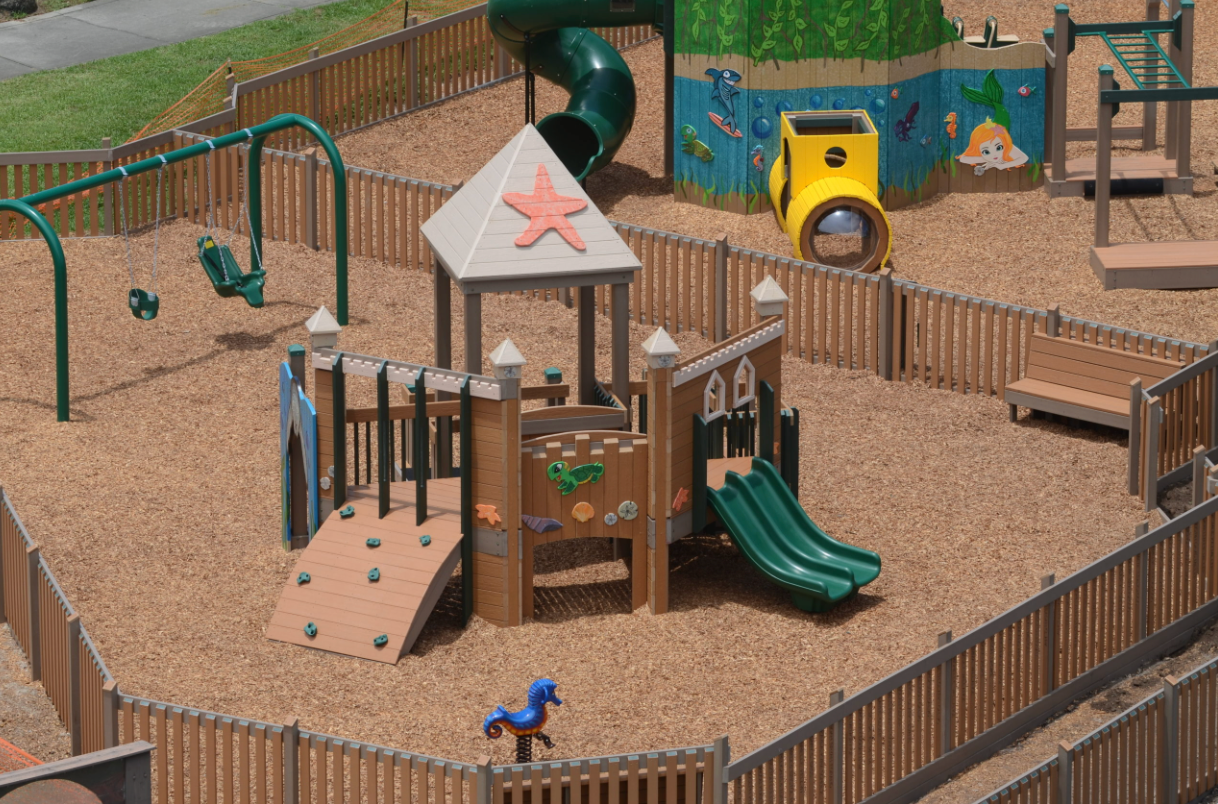
HDPE fencing delivers the classic look of traditional lumber without the upkeep.
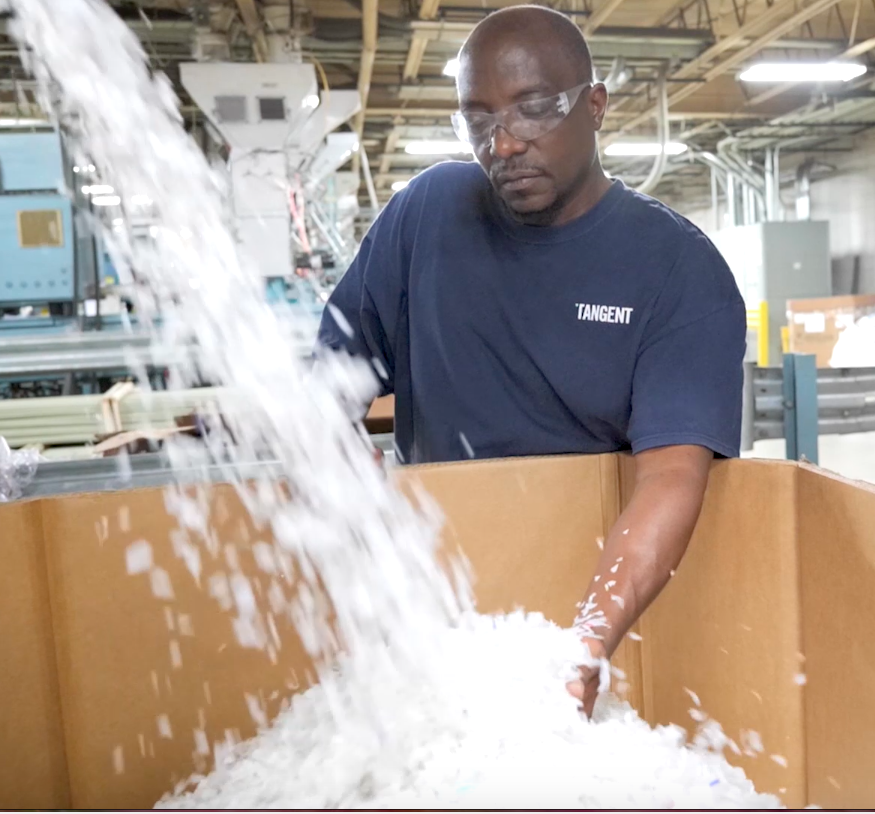
Made from recycled plastics, it will not absorb moisture, handles extreme temperatures and requires virtually no maintenance.
Superior Strength and Weather Resistance
HDPE commercial fencing has better structural strength and long-term weather resistance than traditional wood fencing.
HDPE is engineered to handle heavy use, impact and environmental stress without the common failure points seen in wood fencing. Plus, because HDPE doesn’t absorb moisture, it won’t rot, crack or warp as temperatures fluctuate throughout the year.
Its resistance to UV degradation means the material maintains its structural integrity and appearance, even after prolonged sun exposure.
For projects that need to withstand years of outdoor conditions with minimal intervention, HDPE fencing is a stable, non-corrosive solution that performs consistently in rain, snow, freeze-thaw cycles and high humidity.
Low Maintenance and Lifecycle Cost Savings
One of the most practical advantages of HDPE commercial fencing is its minimal maintenance requirements and long-term cost efficiency.
Unlike wood or metal fencing that demands regular upkeep, HDPE fencing just requires occasional washing to maintain its appearance and performance. There’s no need for staining, sealing, repainting or frequent repairs, which significantly reduces ongoing labor and maintenance expenses.
Although the initial material cost of HDPE fencing may be comparable to or slightly higher than other options, its durability, reduced maintenance demands and extended service life make it a cost-effective solution when evaluated over the full lifecycle of a project.
Security, Privacy and Customization Options
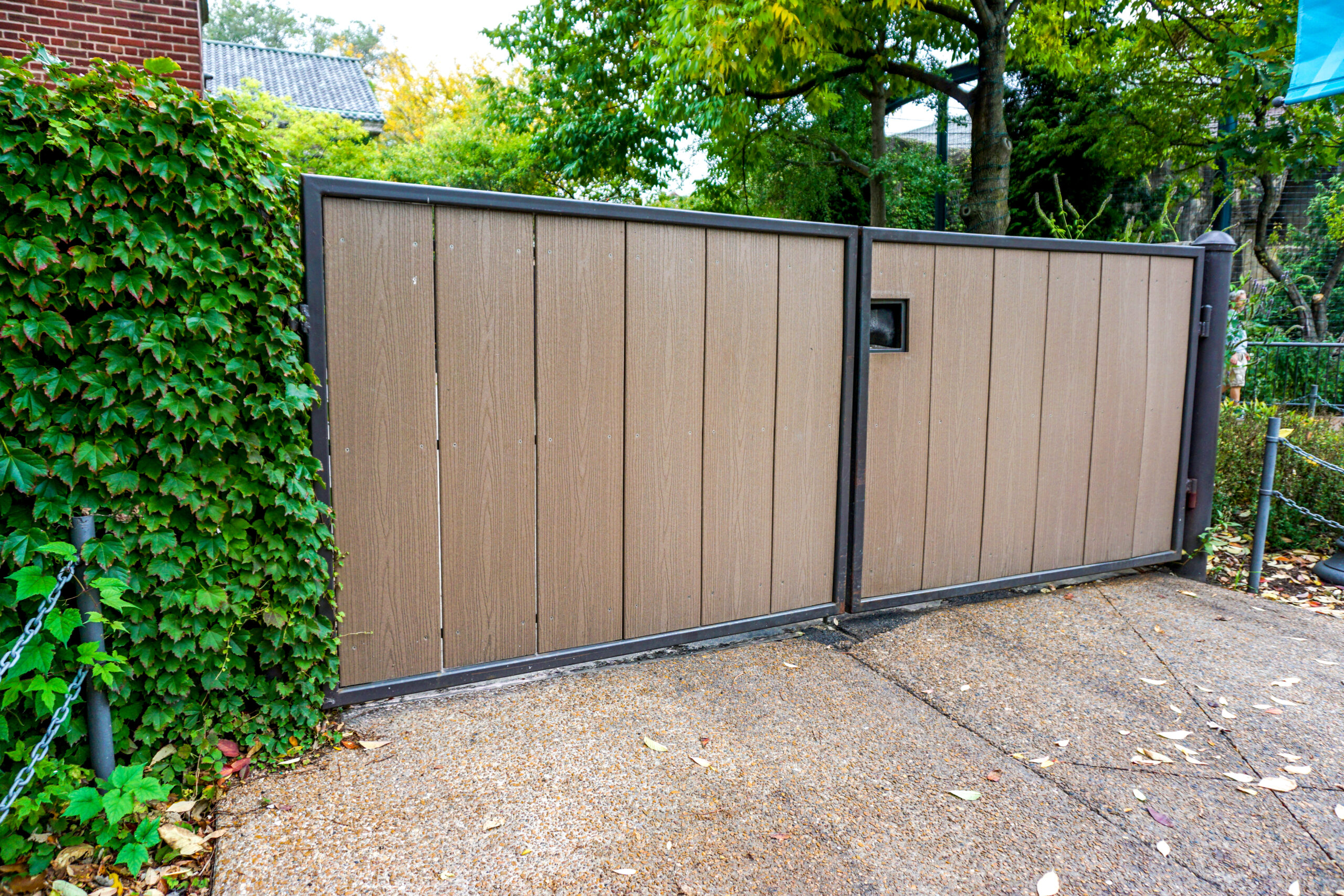
HDPE fencing outperforms traditional materials in more ways than durability. It also offers greater flexibility in security, privacy and design customization.
Privacy Panels and Perimeter Protection
Solid or semi-solid HDPE panel systems create a continuous visual barrier that limits sightlines into sensitive areas such as equipment yards, service corridors, storage zones and loading areas.
Unlike wood boards that can shrink or develop gaps over time, HDPE panels maintain consistent spacing and structural alignment, preserving both privacy and security throughout the life of the installation.
The material’s rigidity and impact resistance also help it hold up in high-traffic environments, keeping the perimeter clean, uniform and intact.
Design Flexibility for Commercial Branding
For projects where branding and visual consistency matter, HDPE fencing provides plenty of customization options.
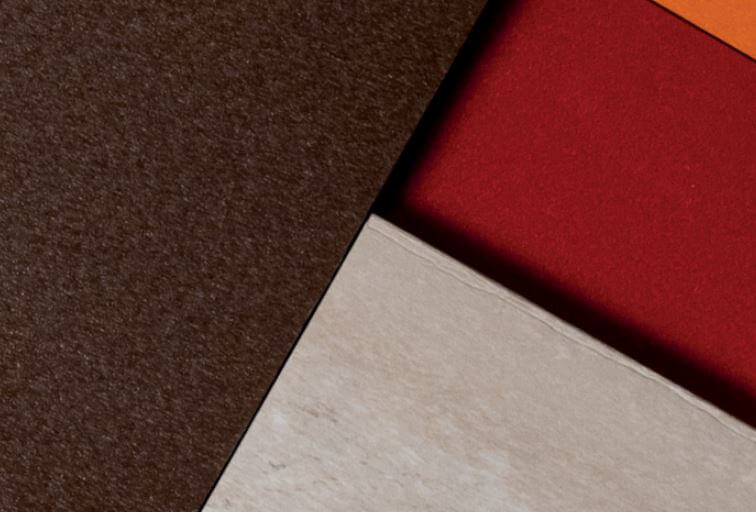
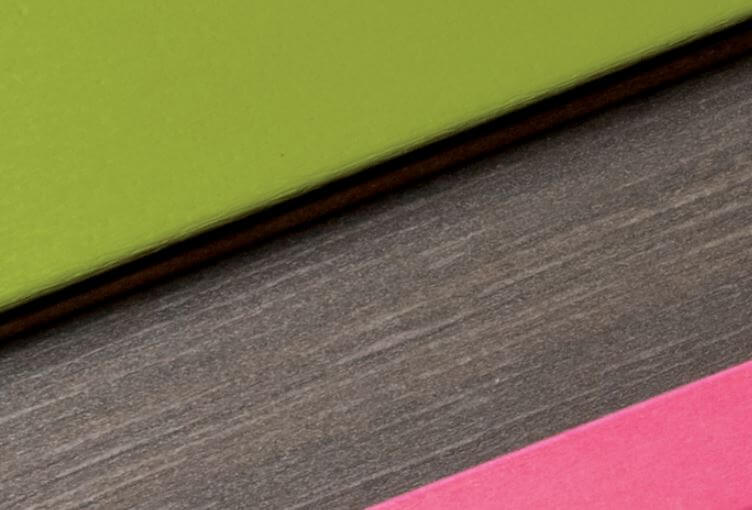
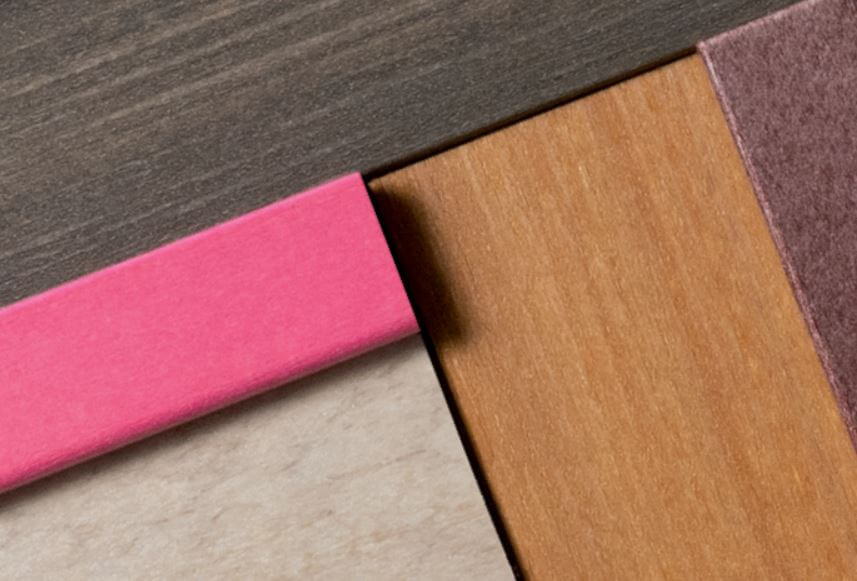
The material can be manufactured in a wide range of colors, panel styles and textures, allowing the fence to align with a company’s brand identity.
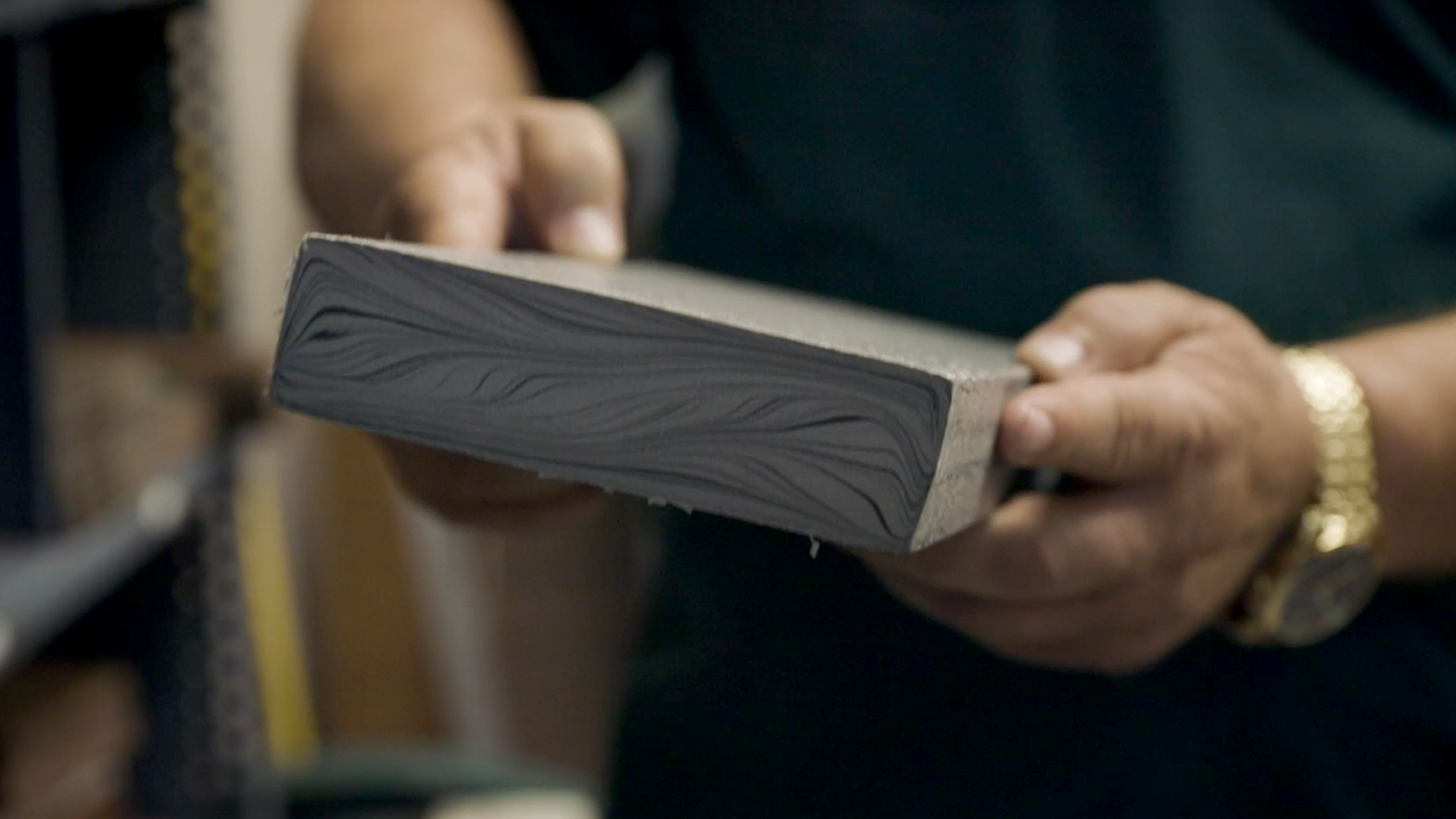
Unlike painted wood, the color in HDPE is integrated into the material itself, so it won’t chip, peel or fade over time.
Panels can also be fabricated in custom heights, solid or semi-private configurations, and even incorporate signage, cut-outs or decorative elements.
Sustainability and Operational Benefits
HDPE fencing systems are manufactured using recycled plastics and are fully recyclable at the end of their service life, making them a strong fit for projects with sustainability goals. Plus, unlike treated wood or painted products, HDPE does not leach toxins into soil.
Compared to wood fencing, which often ends up in landfills, and metal fencing, which requires energy-intensive extraction and processing, HDPE helps reduce overall material waste.
Its long lifespan further enhances sustainability by lowering the need for frequent replacement and minimizing maintenance. This reduces the environmental impact associated with wood deterioration and metal corrosion.
See Why Commercial Builders Choose Tangent Materials’ HDPE Solutions
From performance to sustainability, HDPE fencing offers the advantages commercial builders need to deliver lasting results.
For more than two decades, Tangent Materials has created the most durable poly lumber on the market.
Our products are designed to endure the toughest conditions without compromising on style, giving builders a reliable, low-maintenance solution that stands the test of time.
Ready to spec it for your next job? Explore Tangent Materials’ HDPE fencing solutions or request a quote for a custom project.