
HDPE Plastic Lumber vs. Traditional Wood: A Complete Comparison

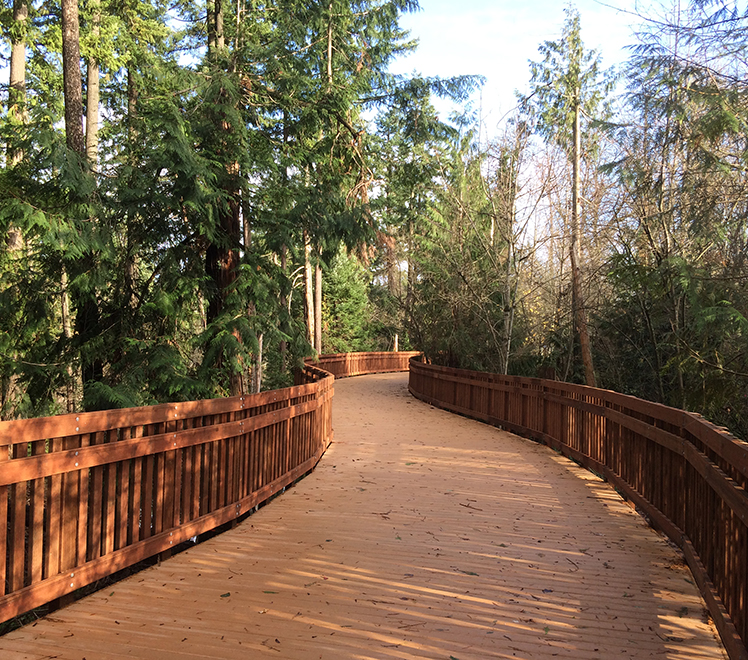
Outdoor infrastructure takes a beating every single day. Whether you’re designing a coastal boardwalk, a city park or a commercial marina, building in open environments means planning for constant wear and tear.
When comparing HDPE plastic lumber vs. traditional wood, the real difference comes down to how each material handles life outdoors over time. Wood requires a continuous routine of maintenance, repairs and protective coatings just to stay functional.
However, high-density polyethylene (HDPE) plastic lumber breaks that cycle, offering built-in resistance from day one so you can rely on it with confidence.
HDPE Plastic Lumber vs. Traditional Wood: Why Does Material Selection Matter?
The material selected at the start of a project sets the tone for everything that follows. Far beyond first impressions, the right material safeguards structural safety, minimizes maintenance, reduces environmental impact and ensures lasting client satisfaction.
It’s easy to focus on upfront prices, but lower initial costs can be deceiving. The real value of a material shows up over time.
Choosing durable, eco-friendly materials keeps repair bills down, prevents safety headaches and avoids the environmental waste of replacing degraded boards years earlier than planned.
The Performance of Traditional Wood
Traditional wood is a material every industry professional is familiar with, but that doesn’t always make it the best choice.
While it offers visual appeal, wood has significant vulnerabilities that are important to keep in mind.
How Wood Handles The Elements
Because wood is an organic material, it naturally absorbs moisture from rain, snow, humidity and ground contact.
Over time, repeated wetting and drying cycles can cause boards to swell, shrink, crack, split and warp. If moisture remains trapped in the wood, it creates the perfect conditions for fungal growth that can eventually lead to rot.
Wood is also susceptible to insect damage from termites, carpenter ants, wood-boring beetles and other pests that feed on or nest within natural lumber, which can compromise a project’s structural integrity.
Maintenance Requirements
Pressure-treated lumber and protective coatings can improve rot resistance, but they don’t eliminate the need for upkeep. Regular inspections are needed to catch early signs of rot, cracking, splintering, loose fasteners and insect activity.
Paints, stains, sealers and water-repellent coatings must be reapplied on a routine schedule, as they wear away over time and lose their ability to block moisture and UV damage. Damaged boards need to be repaired or replaced before deterioration spreads.
In high-moisture environments such as waterfront parks, boardwalks and docks, these demands only increase. Saltwater exposure accelerates weathering and can corrode metal fasteners, adding another layer of upkeep.
For municipalities, commercial property owners and facility managers, these recurring labor, material and replacement costs add up to significantly higher lifecycle costs for wood structures.
Environmental Impact & Sustainability
While natural wood is often thought of as an eco-friendly default, specifying timber for large-scale outdoor projects comes with real environmental tradeoffs.
Harvesting natural lumber puts continuous pressure on forest resources unless boards are strictly sourced from certified sustainable operations.
On top of that, the chemical preservatives required to keep wood from rotting don’t stay locked inside the boards forever. Heavy rains can cause these treatments to wash off into surrounding soil and waterways.
Additionally, when wood boards eventually warp, rot or split, chemical treatments can prevent them from being burned or recycled through typical programs, sending large amounts of treated timber straight into landfills.
The Performance of HDPE Lumber
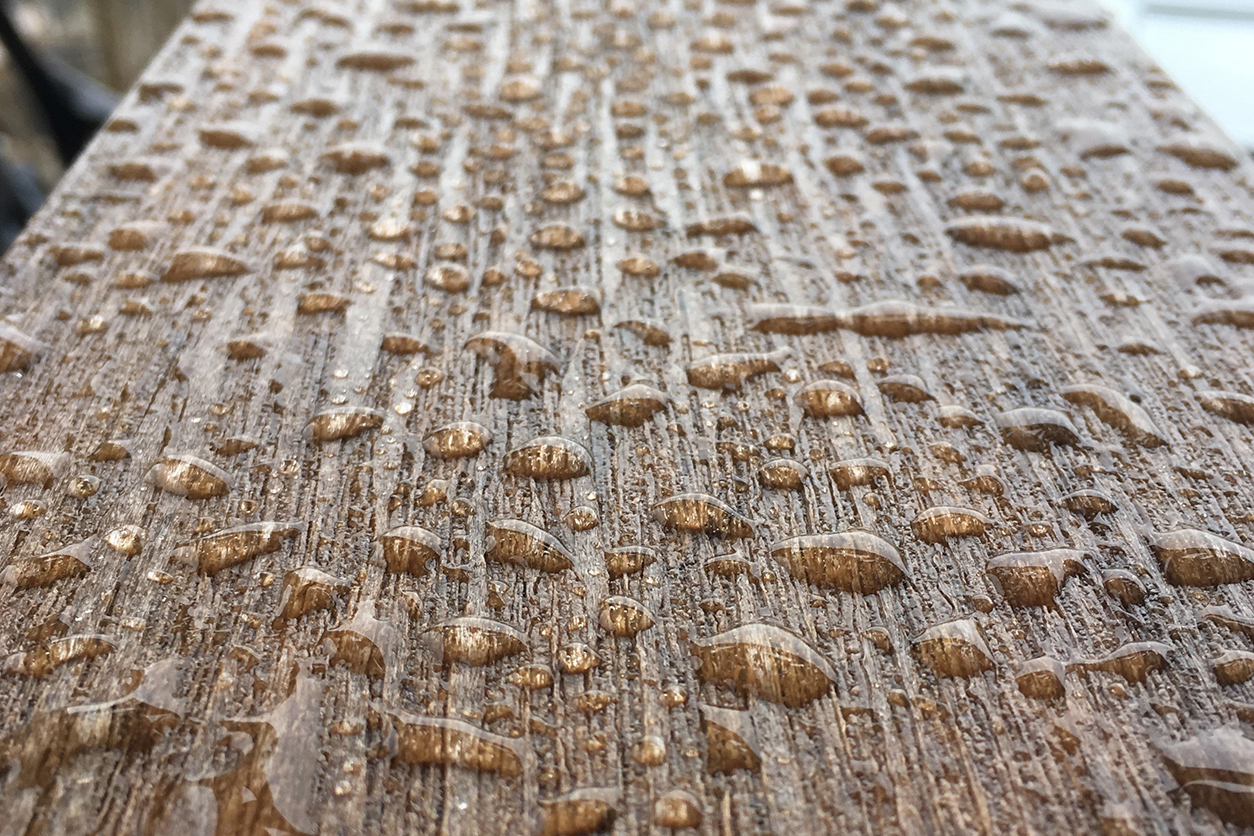
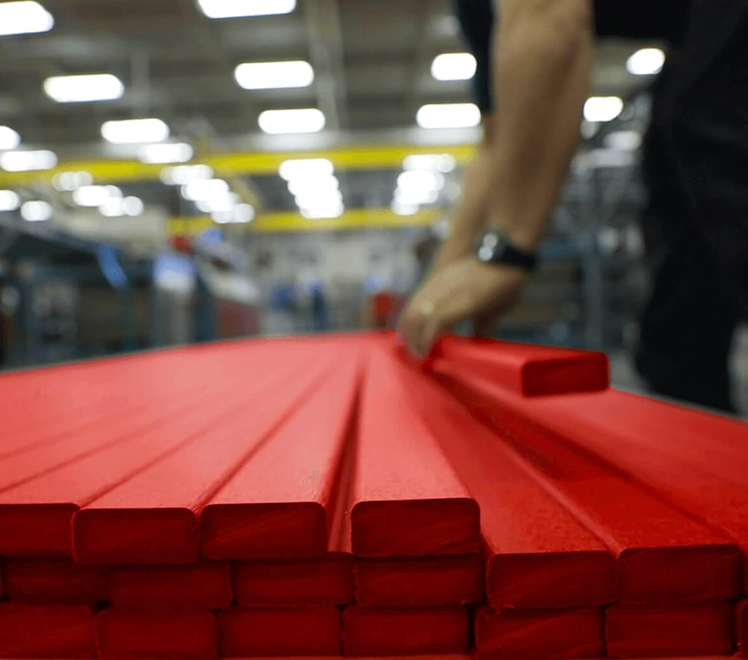
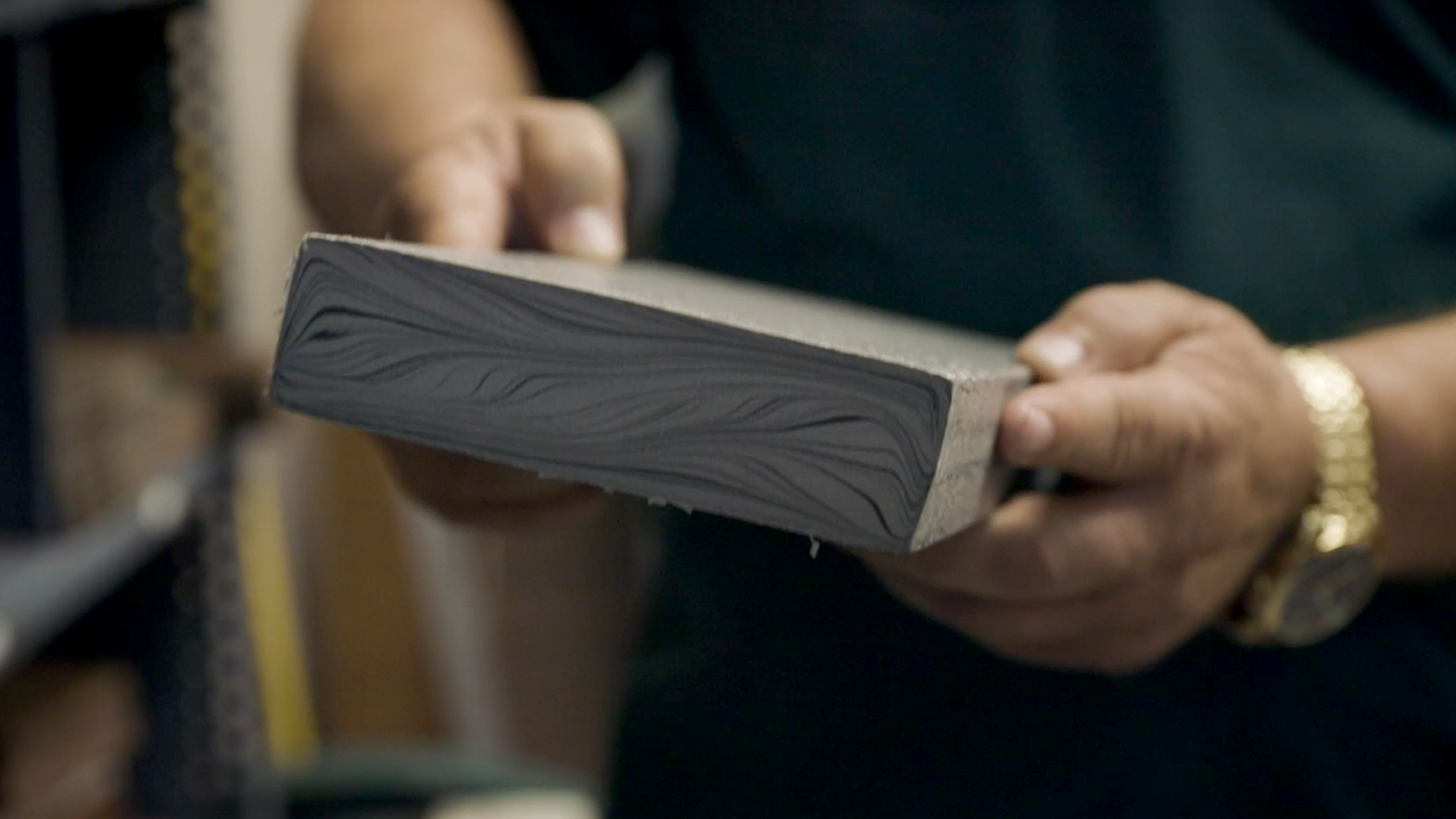
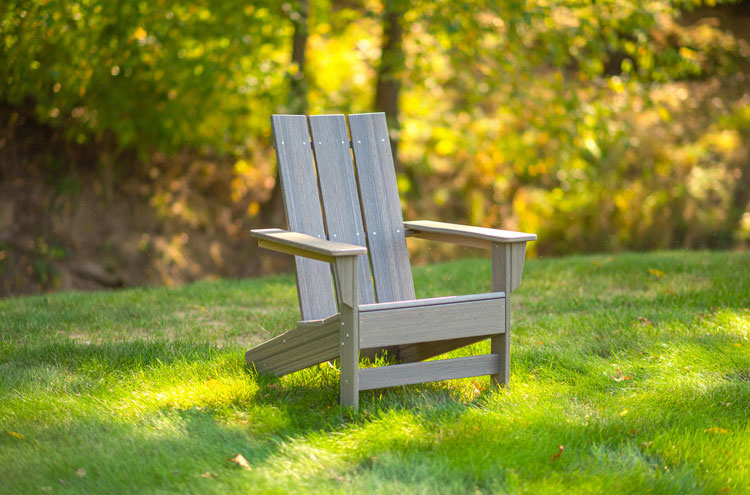
HDPE lumber is an engineered thermoplastic material designed for long-term performance in outdoor applications.
How HDPE Handles The Elements
HDPE lumber is engineered to deliver consistent performance in exposed environments. Because it’s made from a non-porous material, it doesn’t absorb moisture.
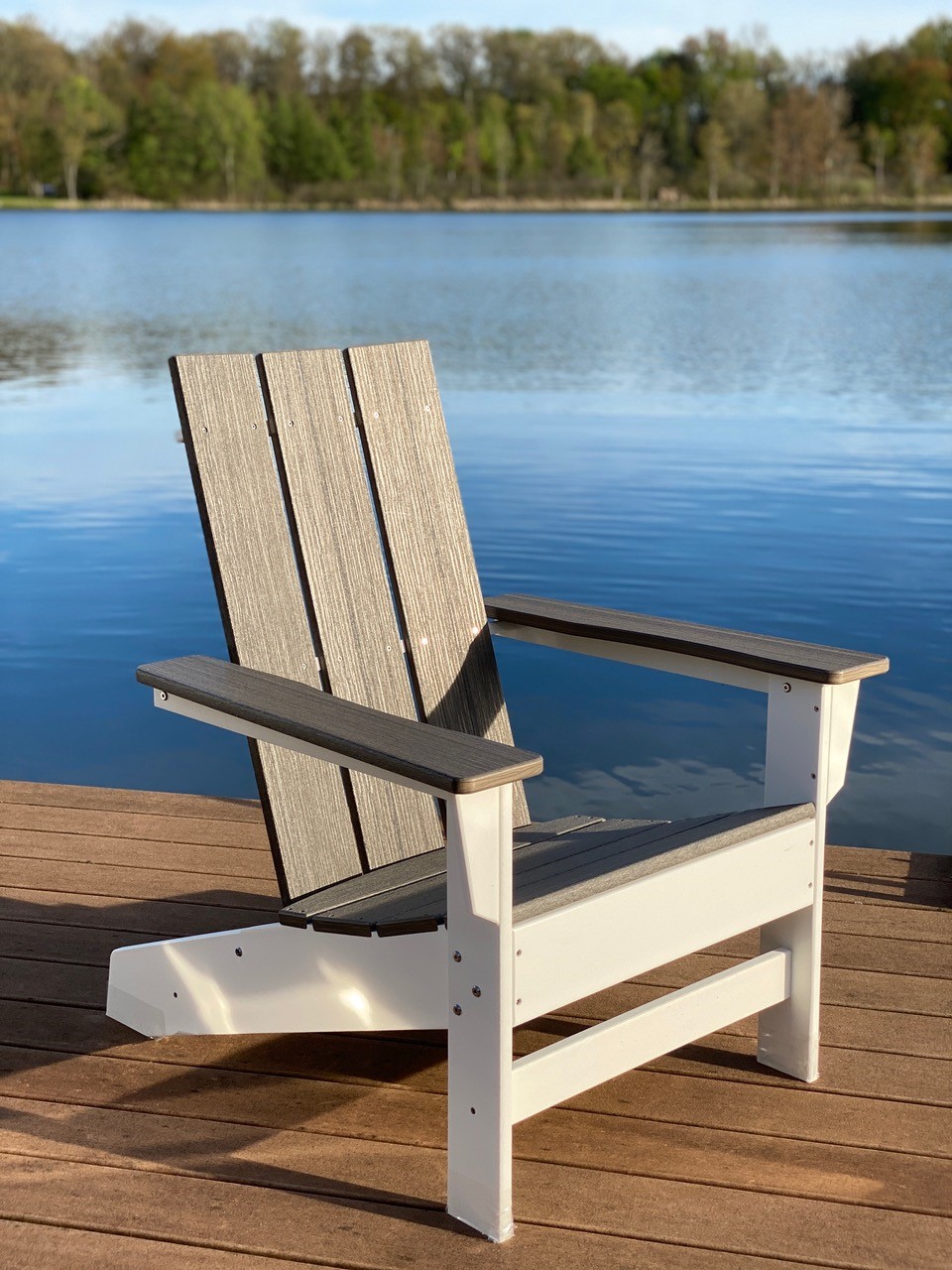
That immediately makes it an ideal choice for wet conditions, where traditional wood is more likely to deteriorate. It also maintains its structural integrity through repeated freeze-thaw cycles and prolonged exposure to rain, snow, humidity and even saltwater.
HDPE is naturally resistant to mold, mildew and several chemicals, making it a durable option for marine, commercial and municipal applications. Many products also include UV stabilizers that help reduce fading and weather-related deterioration, allowing the material to maintain its appearance over time.
Unlike wood, plastic lumber is manufactured with consistent dimensions and doesn’t contain knots, splinters or other natural defects, resulting in a smooth, uniform material that’s easy to work with and built for long-term performance.
Maintenance Requirements
Low maintenance is one of HDPE lumber’s biggest operational advantages. Built to handle harsh outdoor exposure without protective coatings, it maintains its original look and structural integrity with minimal effort.
An occasional wash with soap and water or a pressure washer is all it takes to keep it looking new, delivering dramatic savings on long-term maintenance costs compared to traditional alternatives.
Environmental Impact & Sustainability
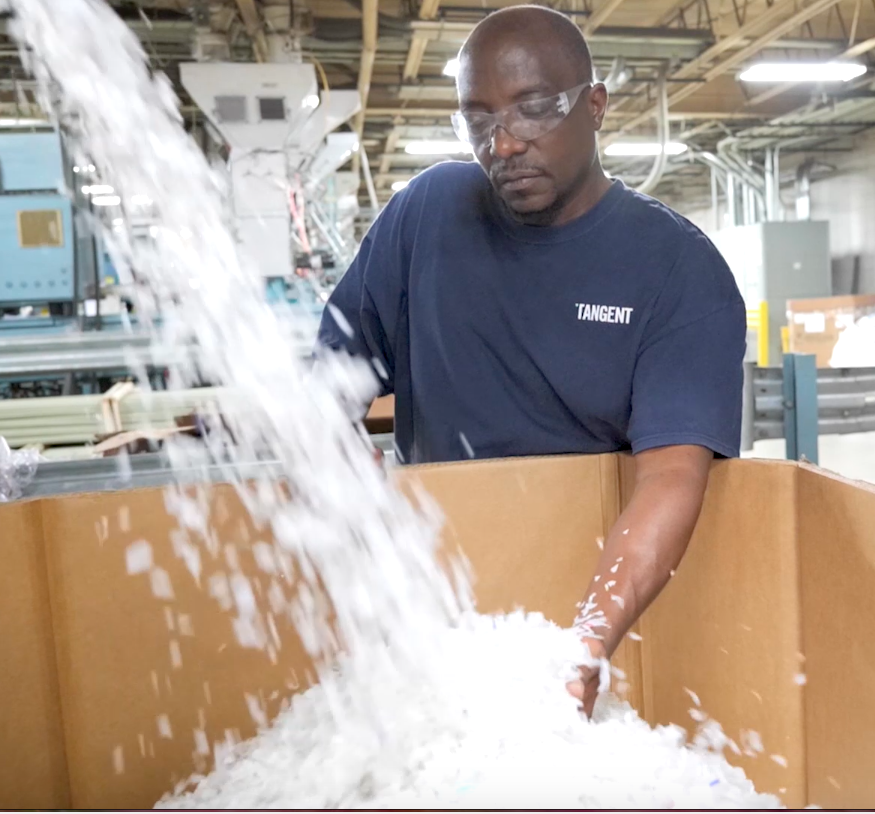
HDPE plastic lumber turns an environmental challenge into a sustainable solution by repurposing post-consumer waste into long-lasting infrastructure.
Manufactured from recycled plastics, high-quality HDPE keeps material out of landfills and waterways. Because it is completely non-porous and non-toxic, it eliminates the need for chemical stains, sealers or preservative treatments — preventing harmful runoff into surrounding soil and marine ecosystems.
Plus, by outlasting natural wood by decades without degrading, HDPE significantly reduces the demand for replacement materials while remaining 100% recyclable at the end of its long service life.
How to Help Your Clients Make the Right Material Investment
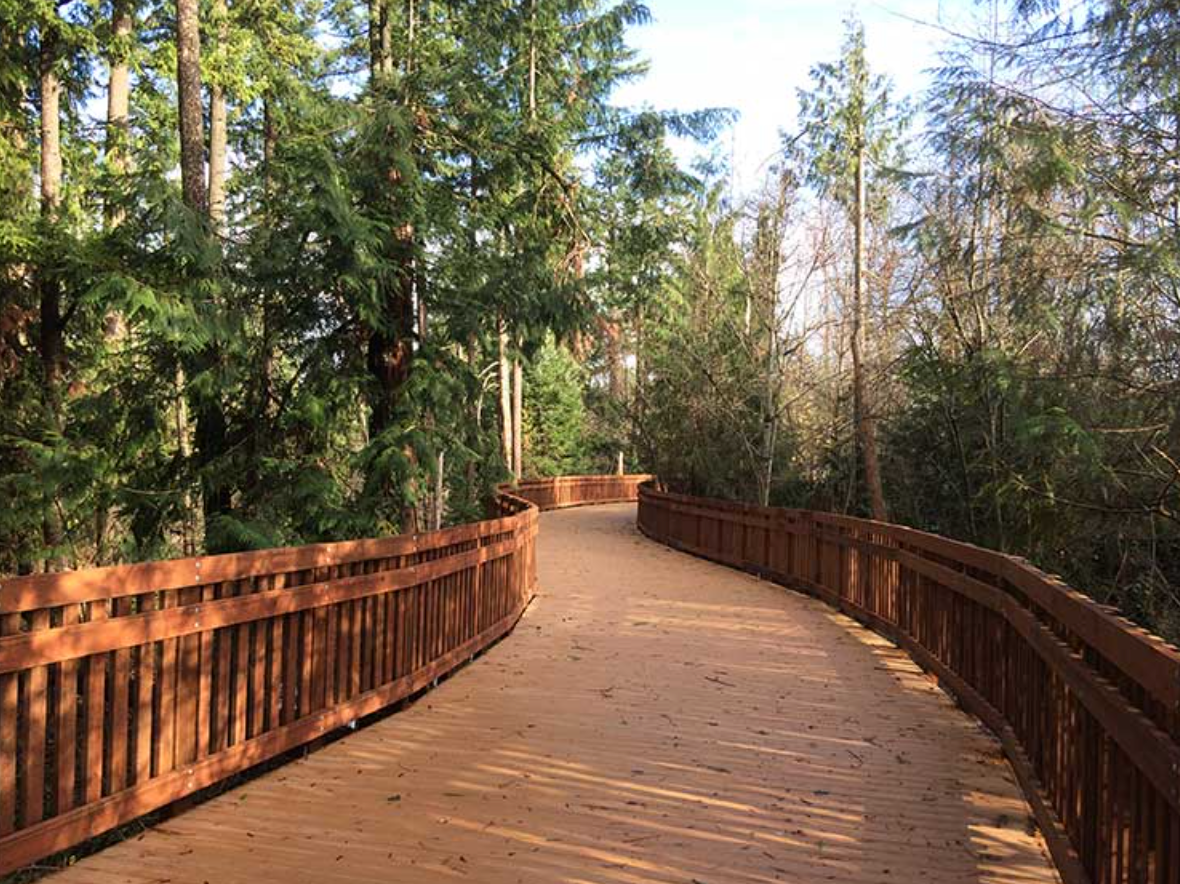
While both materials create beautiful outdoor spaces, their long-term performance diverges quickly after installation.
When weighing upfront costs against lifetime value with your clients, use this side-by-side comparison to help them make an informed choice for their investment:
| Feature | Traditional Wood | HDPE Plastic Lumber |
|---|---|---|
| Moisture & Rot | Absorbs water; prone to warping, rot and decay. | 100% non-porous and rot-proof. |
| Chemical Leaching | Preservatives in pressure-treated wood can leach chemicals into soil and water over time. | Zero chemical runoff or leaching into surrounding environments. |
| Sustainability & Lifecycle | Requires timber harvesting; treated wood can be difficult to recycle and ends up in landfills. | Made from recycled plastics; 100% recyclable and diverts waste from landfills. |
| Upkeep & Coatings | Requires regular painting, staining, sealing and board repairs. | Virtually maintenance-free; occasional wash as needed. |
| Safety | Warps, splinters and works fasteners loose over time, creating trip and snag hazards for pedestrians. | Maintains a uniform, splinter-free surface with secure connections that resist loosening. |
| Lifetime Cost | Low upfront cost, high ongoing maintenance and replacement expenses. | Higher upfront cost, significantly lower lifecycle cost over time. |
Find the Best HDPE Plastic Lumber for Your Next Project
Whether you’re specifying materials for a boardwalk, marina, park or other public space, Tangent Materials offers HDPE lumber solutions engineered for long-term durability, minimal maintenance and enhanced sustainability.
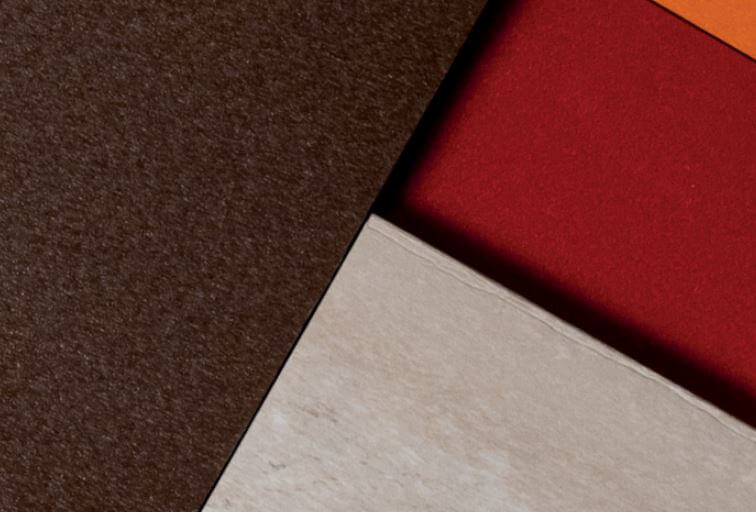
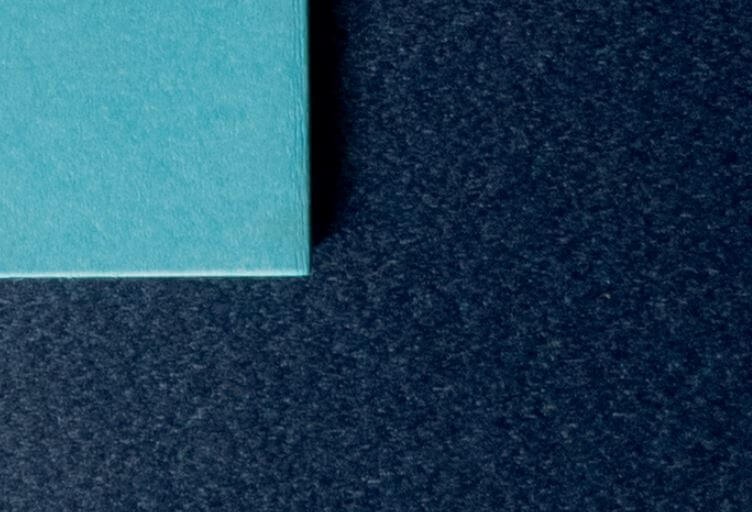
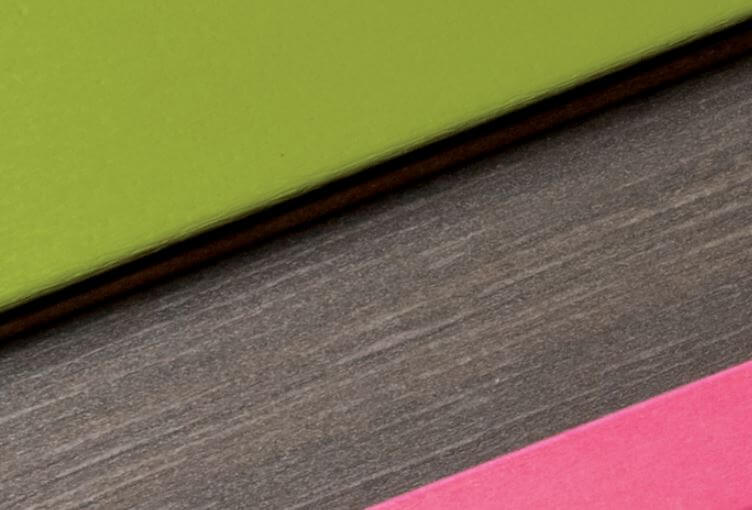
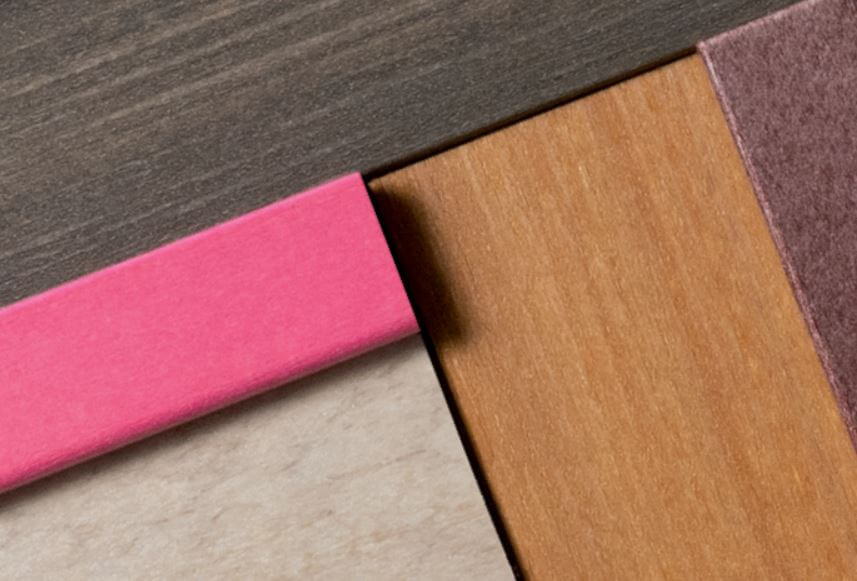
Contact us today or request a sample to experience the material firsthand and explore our full range of colors, profiles and styles.